Slow Season? How to Get More Roofing and HVAC Leads This Winter
 By Alfredo Haro-Goñi · November 3, 2026 · 8 min read
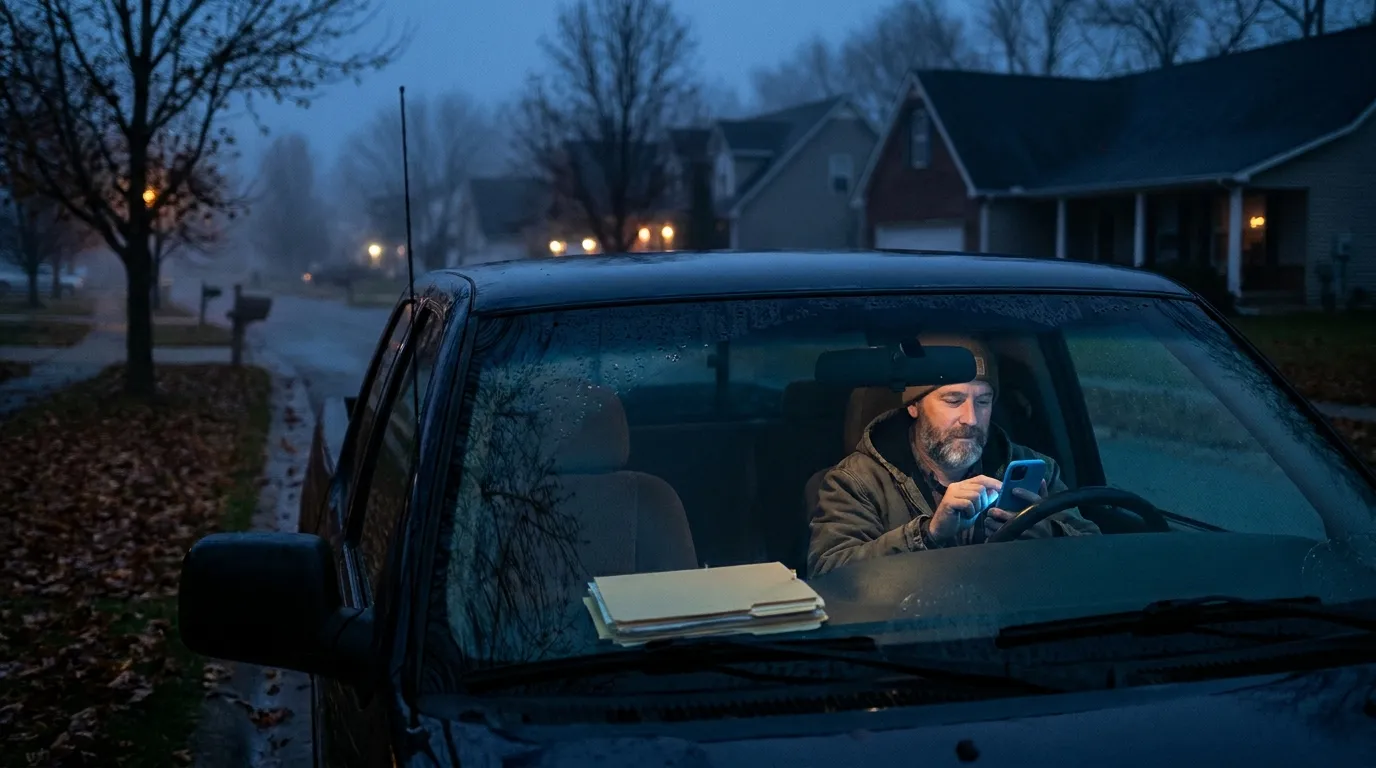
The fastest way to get more roofing or HVAC leads in the slow season isn't new ads. It's the people who already asked you for a price this year and never heard back. Work your old estimates and past customers first, then tighten your ads to the zip codes that pay best.
Most of the leads you need this winter are already in your phone. You paid for them in the spring and summer. Now's when they pay you back.
When is the slow season for roofing and HVAC?
It depends on the trade. Roofing slows down when it gets cold and wet, so for most roofers that's late fall through winter. HVAC slows down in the mild weeks between seasons, usually spring and fall, when nobody needs heat or AC yet. In both trades the phone gets quieter, but the people who almost hired you are still out there.
That's the part most owners miss. In July you were too busy to follow up. You sent the estimate, maybe made one call, and moved on to the next job. Some of those people didn't say no. They just never said yes.
The slow season is when you finally have time to go back to them.
Where do slow season leads come from?
There are 4 places to look, and 3 of them cost you nothing because you already paid for the lead once.
- Open estimates from this year that never closed.
- Past customers who might need a check-up, a repair or a referral.
- A maintenance plan that brings the same customers back every year.
- Google reviews that help the next stranger pick you over the guy down the street.
After those, you look at ads. Not before.
How do you turn old estimates into jobs?
Make a list of every estimate from the past 6 to 12 months that didn't close. Text each one a short, friendly note that's easy to answer. Ask one simple question, not "any update?". Follow up twice more over the next 2 weeks, then stop. Some will book, some will tell you why they didn't, and both are worth knowing.
Here's what it can look like for a roofer. The numbers below are an example. Plug in your own.
Even if only a few say yes, those are jobs you didn't have to buy a new lead for.
Now, what do you actually send? Keep it short and give them an easy reply. "Hi, any update?" doesn't work, because there's nothing easy to say back. A question they can answer in one word works better.
A few rules that make this work:
- Use their name and the job. "Your roof on Maple St." beats "your project."
- Ask one question. Yes or no, this week or next, A or B.
- Text, don't email. People read texts. Most of your old estimates were sent by email anyway, so a text stands out.
- Stop after 3. If they don't answer by the third text, leave it. You can try again in the spring.
- Only text people who gave you their number for the estimate, and stop right away if someone asks you to.
If someone says they went with another company, ask one more thing: "Mind telling me why?" Price, timing, or they just picked whoever called back first. That answer is gold for next season.
How do past customers bring in winter work?
Past customers already trust you, so they're the easiest people to book. Reach out with a reason that helps them: a free check after a storm, a reminder that their system is due, or a quick "anything else on your list before winter?". Ask for referrals at the same time. One happy customer often knows two neighbors with the same problem.
Ideas that fit the season:
- Roofers: offer a quick look after the first big storm. Check gutters, flashing and anything that came loose. Small repairs now often turn into a bigger job in the spring.
- HVAC: remind every customer whose system you touched in the last 2 years that it's time for a furnace tune-up before the first cold night.
- Both: ask, "Do you know anyone who's been putting off a roof (or a new system)?" Make it easy. Send them a link they can forward.
Keep the list simple. A spreadsheet with name, phone, address, what you did and when is enough to start.
Should you sell maintenance plans in the slow season?
Yes. A maintenance plan turns one job into a visit every year, and it gives you work to book in the months that are usually quiet. HVAC companies do this all the time with tune-up plans. Roofers can too: a yearly inspection, gutter cleaning and small repairs for a flat price.
The slow season is the right time to start, because you have time to call people and explain it. Keep the plan short:
| What to decide | Keep it simple |
|---|---|
| What's included | 1 or 2 visits a year, plus a discount on repairs |
| Price | One flat price, paid monthly or yearly |
| When you visit | In your slow weeks, so the plan fills the gaps |
| Who to offer it to | Every past customer and every new job from now on |
Then book the plan visits into your slowest weeks. That's the whole trick. You're filling next year's quiet months while it's quiet now.
Why push for reviews when it's slow?
Your customers have more time in the off-season, and so do you. Text your recent customers a direct link to your Google review page and ask for a short review. More fresh reviews help you win the people who are comparing companies on Google right now, and they keep helping when the busy season comes back.
A few things to keep in mind:
- Send the link, don't explain how. One tap to your review page is a lot easier than "find us on Google."
- Ask everyone, not just the happy ones. Google's rules say you can't ask only the customers you think will leave good reviews.
- Never pay for reviews. No gift cards, no discounts, no free service. Google bans it, and those reviews get removed.
Should you cut your ads in the slow season?
Don't turn them off, tighten them. Look at which zip codes and job types brought you paying work this year, and keep your budget there. Cut the areas that only brought you tire kickers. Fewer people are searching, so every lead counts more, and every lead needs a fast answer.
Here's how to tighten up without going dark:
- Pull your jobs from this year by zip code. Where did the good jobs come from? Where did the bad leads come from?
- Keep your best zip codes and drop the rest. Both Google Local Services Ads and Google Ads let you pick where your ads show.
- Turn off job types you don't want in winter. If you don't want small repair calls, don't pay for them.
- Answer every lead fast. In a slow month, a missed call hurts more, not less. And with Google Local Services Ads, a missed call during your business hours can now cost you the lead fee too.
If you run Local Services Ads, keep an eye on your account move too. Google is moving Local Services Ads into Google Ads, and your bidding and budget settings change when it happens.
A simple slow season plan, week by week
You don't need to do all of this at once. Here's a plan that fits around the jobs you still have:
- Week 1: list every open estimate and every past customer from the last 2 years.
- Week 2: send the first text to every old estimate. Answer replies the same day.
- Week 3: send the second text. Reach out to past customers with a reason to book.
- Week 4: send the last text. Ask for reviews from everyone you've worked for this year.
- Every week: check where your ads are spending and cut what isn't working.
By the time spring comes, you'll have a fuller calendar, a maintenance list, more reviews, and a clear picture of why people didn't hire you. That's a better start than most of the guys you're competing with.
FAQ
How do roofers get leads in the winter?
Start with the people who already know you: open estimates from this year, past customers and referrals. Offer storm checks and small repairs, push for Google reviews, and keep ads running only in the zip codes that brought you good jobs.
Does HVAC have a slow season?
Yes. For most HVAC companies the slow times are the mild weeks of spring and fall, between heating and cooling season. That's a good time to sell maintenance plans and book tune-ups.
Should I stop advertising in the slow season?
Usually not. Cut your ads down to your best zip codes and job types instead of turning them off. Fewer people search in the slow season, so the leads that come in are worth answering fast.
What should I text an old estimate?
Something short with one easy question. For example: "Hi Mark, it's Joe from ABC Roofing. Still thinking about the roof on Maple St.? I have openings next week. Want me to hold one?"
Sources
- Google Maps Help, "Prohibited and restricted content" (fake engagement: paying for reviews and asking only some customers)
- Google Local Services Help, "How leads work" (business hours and missed call charges)
- Google Ads Help, "Local Services Ads transition to Performance Max" (what changes in bidding and budgets)

Alfredo Haro‑Goñi counts booked jobs, not impressions
Alfredo founded Mythic ROAS around the numbers owners actually check: booked jobs, appointments and revenue. He has managed more than $17 million in ad spend and generated more than $56 million in sales for clients. He received the ClickFunnels Two Comma Club Award and has worked with Frank Kern, Grant Cardone and Brad Lea.
Before marketing, he was a lawyer. He still reads the fine print. More about Alfredo