Google Now Charges You for Missed Calls. Here's How to Stop Paying for Calls You Never Answered
 By Alfredo Haro-Goñi · October 23, 2026 · 7 min read

If you run Google Local Services Ads, a missed call can now cost you money. Since October 1, 2026, Google charges you for a call nobody answered if it comes in during your business hours and the caller stays on the line for more than 20 seconds. That includes calls that go to voicemail, even if the caller never leaves a message.
So a missed call used to cost you the job. Now it can cost you the job and the lead fee.
Here's what changed, which calls count, and what to do about it this week.
What changed on October 1?
Google changed how it bills Local Services Ads calls. A missed call during your business hours now counts as a paid lead if the caller stays on the line more than 20 seconds. Google told advertisers about the change on August 24, 2026.
Google's help page now lists this as a valid lead: "You missed a phone call during your business hours and the customer stays on the line for more than 20 seconds."
You didn't talk to anyone. You didn't get the job. You still pay.
Which calls do you pay for now?
Start here. Walk any missed call through these questions:
And here's the detail, case by case, from the same Google page:
| What happens on the call | Do you pay? |
|---|---|
| You answer and talk to the customer | Yes, if it's a valid lead (same as before) |
| Nobody answers, caller waits more than 20 seconds, during business hours | Yes (new) |
| Call goes to voicemail or a greeting during business hours, caller stays more than 20 seconds | Yes, even with no message left |
| Your phone menu says "press 1 for service," caller presses a key, then waits more than 20 seconds | Yes. The 20 seconds start after the first key press |
| Caller hangs up at your phone menu without pressing a key | No |
| Caller hangs up in under 20 seconds | No, under the missed-call rule |
| Same customer calls again within 15 days of a charged lead, from the same number | No, you're charged once |
Two details matter more than they look.
"Business hours" means the hours on your Google Business Profile. If you also set an ad schedule, missed calls are only charged when they fall inside both your ad schedule and your business hours.
Voicemail doesn't protect you anymore. During business hours, Google treats voicemail like a connected call. If the caller sits through your greeting for more than 20 seconds, you pay.
Why this hurts more than the fee
The fee is the small part.
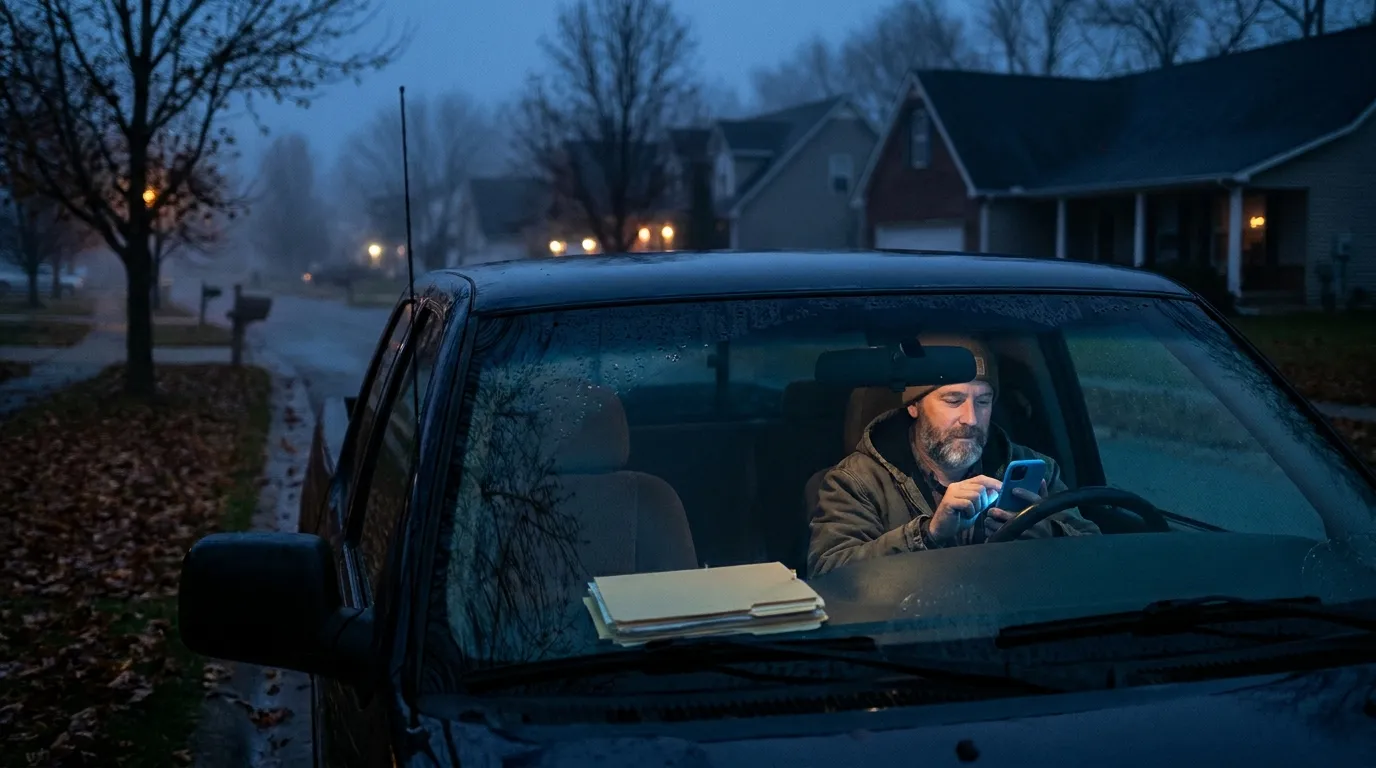
Think about who calls a plumber or an HVAC company from a Google ad. Someone with water on the floor. Someone whose AC died in July. They're not shopping around for fun. If you don't pick up, they call the next company on the list, and that company gets the job.
So when you miss that call, you lose the job and pay Google for the lead that went to someone else's truck.
There's a second risk. Google's Local Services policies say businesses can be removed from the program for "not answering the majority of phone calls even if you call the customer back." Missing a lot of calls doesn't just cost you per call. It can put your whole account at risk.
Quick math: what missed calls could cost you
This is an example with made-up numbers. Plug in your own.
Say your Local Services leads cost $50 each, and you miss 12 calls a month during business hours because you're on a job.
- Lead fees on missed calls: 12 × $50 = $600 a month for calls you never talked to
- If even 4 of those were real jobs worth $400 each, that's $1,600 in work that went to a competitor
That's $2,200 a month walking out the door, from one phone that rings while your hands are full.
Check your real number in your account: your Leads page shows each lead and whether it was charged.
5 ways to stop paying for calls you never answer
1. Make your Google hours match when someone really answers
Your Google Business Profile hours now decide when missed calls get billed. If the profile says you're open until 8 p.m. but nobody picks up after 5, every missed call from 5 to 8 can cost you.
Set your hours to the times a real person (or a system) will answer. Be honest about it. Google's rules ban tricks like sending callers to a different number to avoid paying for a lead, and your hours also tell customers when to expect you.
2. Get the phone answered while you're on a job
This is the real fix. Most missed calls happen when the owner is under a sink, on a roof or driving. A few ways to cover it:
- Forward calls to a second person after 2 or 3 rings
- Use a live answering service for overflow
- Use an AI receptionist that answers right away, takes the details and books the job on your calendar
Compare any of these to voicemail, not to a perfect human receptionist. Voicemail now costs you the lead fee and usually the job.
3. Text back within a minute
Some calls will still slip through. When one does, a text that goes out in under a minute ("Hey, this is Mike's Plumbing, sorry we missed you. What's going on? We can get someone out today.") keeps a lot of people from calling the next company.
You may already be paying for that lead. Texting fast is how you still get the job out of it.
4. Fix your phone menu
If your phone system says "press 1 for service, press 2 for billing," the 20-second clock starts after the first key press. Long menus and hold music eat that time fast, and the caller gets nothing but a bill for you.
Keep it short. Better yet, have service calls ring straight through.
5. Check your charged leads every week
On your Leads page, each lead shows a status: Charged, Not charged, In review or Credited. Google says it keeps checking lead quality for 30 days and credits bad, duplicate or spam leads on its own.
Look at it once a week anyway. You'll see how many calls you're missing, when they happen, and whether the credits match what you'd expect. Note that Google no longer gives credits for "job type not serviced" or "area not serviced" leads, so keep your service list and service area tight.
One more change is coming
Google is also moving Local Services Ads into the main Google Ads platform. Your account will get an email about 14 days before it moves. Your old Local Services reports don't move with it, so export them before your date. We'll cover that move in next week's post.
FAQ
Does Google charge for missed calls on Local Services Ads?
Yes. Since October 1, 2026, Google charges for a missed call during your business hours if the caller stays on the line for more than 20 seconds. Calls that go to voicemail or a greeting count too, even if the caller doesn't leave a message.
If my phone rings for more than 20 seconds and I pick up, am I charged for the ring time?
No. Google says the 20-second rule only applies to missed calls. If someone answers, the call is judged like any answered call, based on the conversation.
Are missed calls after business hours charged?
Not under the 20-second missed-call rule, which only covers your business hours as set on your Google Business Profile. But a voicemail from a customer can still count as a lead, as it did before.
Can I get a credit for a bad lead?
Google checks leads for 30 days and credits poor quality, duplicate or invalid leads on its own, in most cases within 30 days. You'll see "Credited" next to those leads. Credits for "job type not serviced" and "area not serviced" are no longer offered.
Sources
- Google Local Services Help, "How leads work" (valid lead rules, 20-second rule, voicemail, phone menus, 15-day rule, business hours)
- Google Local Services Help, "About automated Local Services Ads lead credits"
- Google, "Local Services platform policies" (responsiveness and lead-diverting rules)
- Search Engine Roundtable, "Google To Charge For Missed & Subsequent Calls On LSAs", August 25, 2026
- PPC Land, "Google LSA advertisers face missed call charges from October 1"

Alfredo Haro‑Goñi counts booked jobs, not impressions
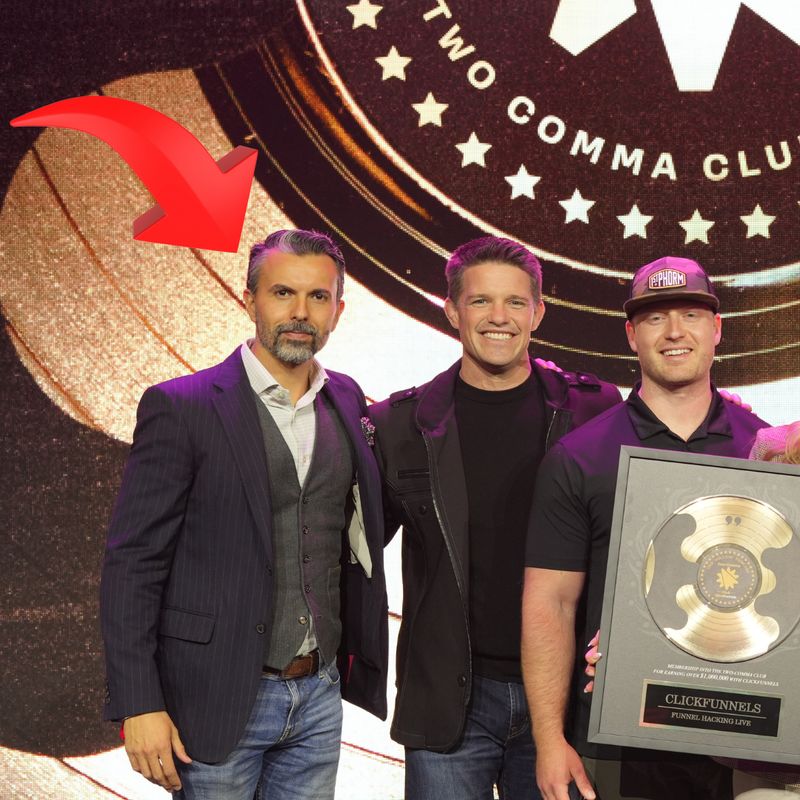
Alfredo founded Mythic ROAS around the numbers owners actually check: booked jobs, appointments and revenue. He has managed more than $17 million in ad spend and generated more than $56 million in sales for clients. He received the ClickFunnels Two Comma Club Award and has worked with Frank Kern, Grant Cardone and Brad Lea.
Before marketing, he was a lawyer. He still reads the fine print. More about Alfredo